

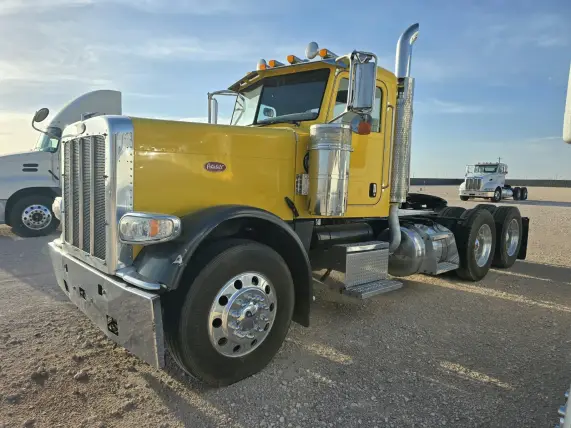
Available
1
Call (432) 758-3807 Text us WhatsApp
Mon-Fri 8am - 6pm Seminole, TX
Local and regional tractors without the bunk you're not sleeping in. Lighter, cheaper to buy, easier to spot in a tight yard — set up for aggregate, dedicated runs and end dump work.
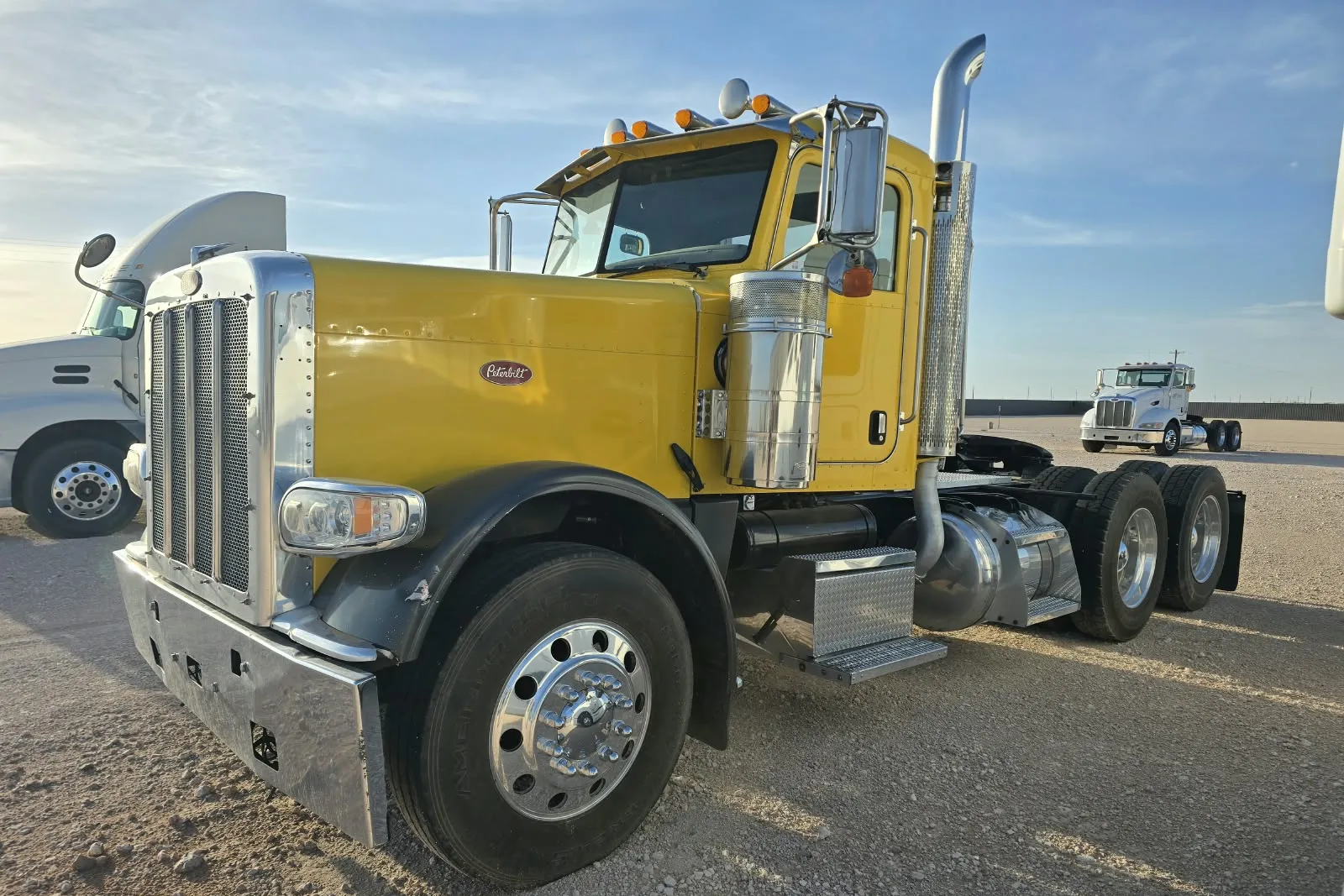
Showing 1 of 1 Day Cabs
1
Buyer's guide
A day cab weighs roughly 1,000 to 2,000 pounds less than a comparable sleeper, and that weight goes straight to your payload. On aggregate, cement and bulk hauling where you're grossing out every trip, that difference shows up in your revenue per load, not just on a spec sheet. You also cut a good deal of length off the tractor, which is the whole argument the first time you back into a tight batch plant or thread through a job site with equipment parked on both sides.
Comparable year, engine and mileage, a day cab usually costs meaningfully less than the same truck with a bunk. If your drivers go home every night, you're buying a bedroom that gets used zero nights a year — plus the heater, the inverter, the extra insurance value and more surface to keep clean. Put that money into better rubber, fresher brakes or a lower-mileage truck instead.
Around Texas, our day cab buyers are running aggregate and base out of pits, pulling belly dumps and end dumps on road jobs, doing dedicated regional freight on 200-mile-and-back lanes, hauling frac sand and pipe in the Permian, and running drop-and-hook out of DFW and Houston distribution yards. All of that is home-daily work, which is exactly what this truck is for.
Frame length and fifth wheel position matter more on a day cab than most buyers expect. A short wheelbase turns tighter but bounces harder empty and gives you less room for tanks and equipment. If you're pulling an end dump or a belly dump, check the fifth wheel height against your trailer and confirm the truck has wet kit plumbing if you need it — a day cab that already has a working wet kit saves you a couple thousand dollars and a shop visit. Every day cab we list notes the wheelbase, fifth wheel type, and whether a wet kit is installed.
A day cab that ran 150-mile round trips has more engine hours per mile than a highway truck, and more stop-and-go on the clutch, the brakes and the rears. So look past the odometer. Check the brake cans and drums, the suspension bushings, and the front end, because that's where local work shows first. On the flip side, local trucks often live in one shop with one mechanic and get better routine service than an over-the-road truck that gets fixed wherever it breaks.
Most day cabs come with a single tank or a smaller pair, which is fine for home-daily running and saves weight. If you're doing longer regional legs, confirm the total capacity before you buy — running a 400-mile day on one 100-gallon tank means an extra stop you didn't plan for. Ask us about tank capacity on any unit and we'll go read it off the truck.
Call and somebody who's walked around the unit picks up. Want a photo of the frame rail, the tank saddle, or the hour meter? Ask and we'll go shoot it.
Calling about a specific unit? Have the stock number handy.